
A complete medical weight loss program does more than provide a weekly injection. It evaluates health risks and goals, uses medication only when appropriate, supports nutrition and physical activity, monitors side effects and body composition, and prepares the patient to maintain progress.

Why Medication Alone Is Not the Whole Program
GLP 1 based medications have changed the weight management conversation. For eligible patients, an FDA approved medication may reduce appetite and support meaningful weight loss when used with a reduced calorie eating plan and increased physical activity. It is still a treatment tool, not a substitute for medical assessment or sustainable habits.
A prescription only model can leave major questions unanswered. Is the medication appropriate for this person? How should side effects be managed? Is muscle being preserved? What happens when progress slows? What is the maintenance plan? Medical weight loss should provide a framework for those decisions.
Step One Is a Complete Health Assessment
A responsible program starts with medical history, current medications, prior weight loss attempts, eating patterns, sleep, activity, and personal goals. The clinician should review conditions that may affect weight or treatment safety, including diabetes, blood pressure, gastrointestinal disease, pregnancy plans, and relevant family history.
Laboratory testing may help identify metabolic or hormonal factors and establish a baseline. The exact tests depend on the patient. Testing should be ordered because it can change care, not simply because a large panel looks comprehensive.
Medication Must Match the Patient
Not every patient needs medication, and not every medication is appropriate for every patient. When a GLP 1 or related treatment is considered, the provider should explain the approved use, expected benefits, common adverse effects, serious warning signs, dosing plan, and how other medicines may be affected.
Patients should know exactly what product they are receiving and how to use it. FDA approved products undergo review for quality, safety, and effectiveness for their labeled use. Compounded products are not FDA approved, and the FDA has reported concerns involving dosing errors and unapproved GLP 1 products. Never change the dose or source without speaking with the prescribing clinician.
Nutrition Protects Energy and Lean Tissue
Reduced appetite can make it easier to eat less, but it can also make it harder to consume enough protein, fluids, fiber, and micronutrients. A useful nutrition plan prioritizes foods the patient can tolerate, fits family and work life, and supports gradual behavior change. The goal is not a temporary perfect menu.
Protein needs vary with body size, age, kidney function, activity, and medical history. Rather than copying a social media target, patients should ask for personalized guidance. Regular meals, adequate hydration, and nutrient dense choices can also help manage common digestive concerns, although persistent or severe symptoms need medical review.
Fitness Should Preserve Function, Not Punish the Patient
Aerobic activity supports cardiovascular health and energy expenditure. Strength training is especially valuable during weight loss because the body can lose lean tissue along with fat. The CDC recommends muscle strengthening activity on at least two days each week for adults, with modifications based on ability and medical advice.
A plan can begin with walking, basic resistance movements, or short sessions that build confidence. Progress is easier to maintain when activity is scaled to the patient’s current capacity instead of designed as a test of willpower.
Progress Is More Than the Scale
Scale weight is useful, but it does not show whether change came from fat, muscle, or fluid. Waist measurements, strength, energy, sleep, medication tolerance, blood pressure, laboratory markers, and body composition estimates can add context. True Test uses InBody scans to help patients follow trends in muscle mass, body fat, and water weight.
Bioelectrical impedance estimates are influenced by hydration and measurement conditions, so one reading should not be treated as a perfect measurement. Repeating scans under similar conditions makes the trend more useful. The clinician should interpret changes alongside the full health picture.
Plateaus and Maintenance Belong in the Plan
Weight loss rarely follows a straight line. Appetite, activity, energy needs, medication tolerance, and daily routines change over time. A plateau is a signal to review the plan, not proof that the patient failed. The answer may involve consistency, nutrition, movement, sleep, stress, medication review, or a revised goal.
Maintenance should be discussed before the target weight is reached. Obesity is a chronic condition for many people, and ongoing support may be needed. A durable plan defines which habits continue, how progress will be monitored, and what to do if weight begins to return.
Choose Structure Over Another Quick Fix
The best program helps the patient understand why each component exists. Medical oversight protects safety. Nutrition supports health and adherence. Fitness protects function. Coaching creates accountability. Tracking shows whether the plan is working. Maintenance prevents the end of treatment from becoming the start of another cycle.
True Test combines medical weight loss options with bloodwork, body composition analysis, nutrition, fitness, and accountability through its weight loss and TrueHealth services. A free consultation can help determine which level of support fits your goals.
Questions That Reveal Whether a Program Is Comprehensive
Ask who performs the initial medical evaluation, which clinician prescribes and monitors medication, and how quickly a patient can reach the team with side effects. Request the exact medication name, whether it is FDA approved, the source, dosing instructions, expected follow up schedule, and the total cost beyond the advertised starting price. A legitimate program should explain eligibility and limitations without guaranteeing a result.
Next, ask how the program supports food quality, protein intake, resistance training, sleep, and behavioral change. Find out whether coaching is individualized, whether body composition is tracked under consistent conditions, and what happens if the patient cannot tolerate the medication. The answer should be more specific than telling every patient to eat less and exercise more.
Finally, ask about maintenance. Will the team help set a healthy goal, review plateaus, and plan for medication continuation or change? How are other conditions and prescriptions coordinated? What happens when insurance or availability changes? A strong medical weight loss program prepares for ordinary obstacles instead of treating them as personal failure. The right questions help patients compare the quality of care, not just the price of a dose.
Frequently Asked Questions
Is a weekly shot required for medical weight loss?
No. Medication is one possible tool. Eligibility, preferences, health history, and goals determine whether it belongs in the plan.
What should a medical weight loss program monitor?
Programs may monitor symptoms, side effects, weight trends, body composition, vital signs, relevant labs, nutrition, activity, and progress toward personal health goals.
Why does strength training matter during weight loss?
Weight loss can include both fat and lean tissue. Strength training supports muscle function and is part of general adult activity guidance.
Is an InBody scan perfectly accurate?
It is an estimate based on bioelectrical impedance. Hydration and testing conditions can affect the result, so consistent trend tracking is more useful than overinterpreting one scan.
What happens when weight loss plateaus?
The clinical team should review adherence, nutrition, activity, sleep, stress, side effects, medications, and whether the goal or treatment plan needs adjustment.
Next step
Stop guessing. See your numbers.
The $49 Full Story: 50+ biomarkers, an InBody 380 scan and a 45-minute review with a licensed provider. No membership, no prescription needed, HSA/FSA eligible.

Written by
True Test
The True Test clinical team writes about what we see in clinic every day: hormones, weight, energy, sleep and the labs that explain them. Seven clinics in Missouri, Illinois, Kentucky, Tennessee, Texas and California. Veteran-owned.
Individual results vary. This article is for education and is not medical advice or a substitute for care from a licensed provider. Treatment is available to eligible patients following clinical evaluation. Optimal ranges are True Test clinical targets and are narrower than standard laboratory reference ranges.
Keep reading
More from the journal.

HRT and Bone Health After Menopause: What Women Should Know
HRT and Bone Health After Menopause: What Women Should Know Menopause is often discussed in terms of hot flashes, sleep, and mood, but estrogen decline also cha…
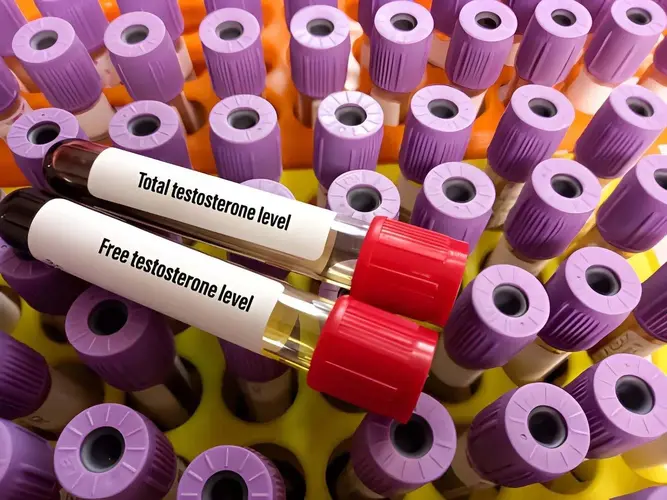
High SHBG and Low Free Testosterone: Why Total Testosterone Can Miss the Full Picture
High SHBG and Low Free Testosterone: Why Total Testosterone Can Miss the Full Picture A testosterone result can look reassuring on paper and still leave an impo…
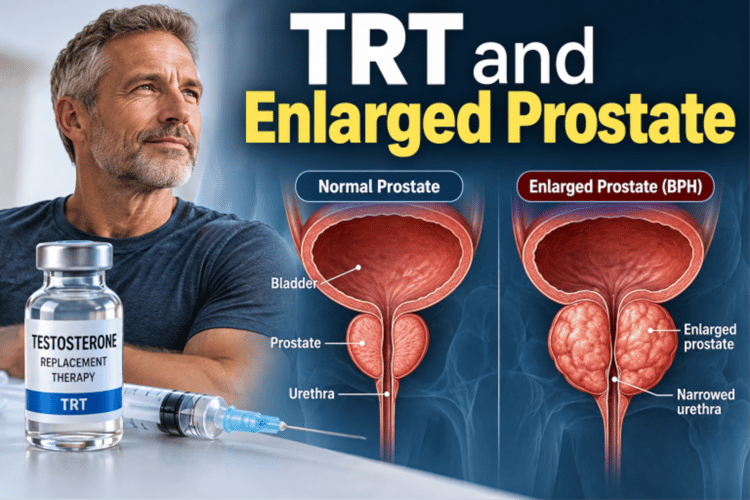
TRT and Enlarged Prostate: What Men Should Know About BPH and Urinary Symptoms
Men considering testosterone replacement therapy often ask whether TRT can worsen an enlarged prostate. The concern is understandable because benign prostatic h…