Testosterone therapy can improve symptoms for appropriately diagnosed men, but it also changes physiology in ways that need monitoring. One of the most important routine safety checks is the complete blood count, especially hemoglobin and hematocrit. At True Test, monitoring is built into the treatment process so patients are not left to manage changing lab values on their own.
Quick answer: TRT can increase red blood cell production and raise hematocrit. Because excessive elevations may increase clinical risk, testosterone therapy should include baseline and follow-up blood count monitoring. If hematocrit rises, a licensed provider can review the trend, symptoms, dose and delivery method, hydration, smoking, altitude, sleep apnea, and other possible contributors before deciding what to do next. True Test uses lab trends and provider review to guide those decisions.
What Hematocrit Measures
Hematocrit is the percentage of blood volume made up of red blood cells. It is usually reported as part of a complete blood count along with hemoglobin, red blood cell count, and other measures.
Red blood cells carry oxygen. A healthy amount is essential, but an excessive increase can make the blood more concentrated. That is why hematocrit is one of the routine safety markers clinicians watch during testosterone therapy.
Why TRT Can Raise Hematocrit
Testosterone can stimulate erythropoiesis, the process that produces red blood cells. Some increase may occur after treatment begins, and the degree of change varies among patients.
The effect can also differ by formulation, dose, individual biology, and other health factors. A rise should be interpreted as a trend, not as an isolated number without context.
Start With Baseline Testing
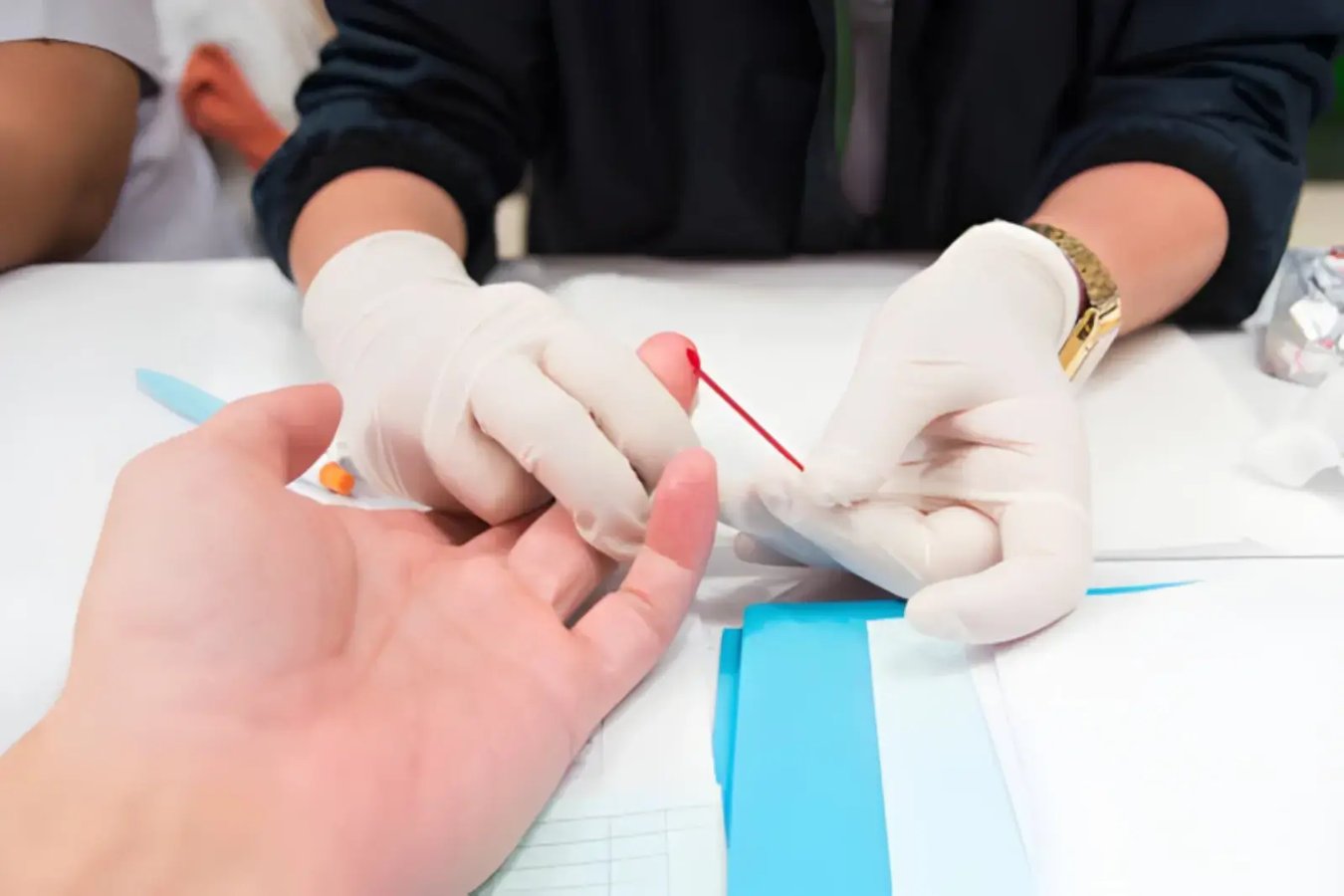
A baseline blood count helps show where hemoglobin and hematocrit were before testosterone exposure. This is important because an elevated result may already be present for reasons unrelated to TRT. Starting with a clear baseline also gives your provider something meaningful to compare against as treatment progresses.
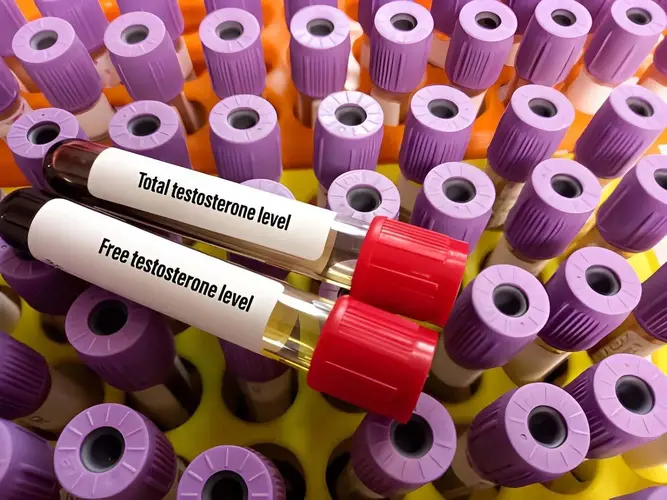
True Test’s Hormone Optimization for Men program starts with a broader look at your health, not one testosterone number. The current deep-dive lab and InBody 380 testing includes hemoglobin and hematocrit along with hormone, thyroid, metabolic, blood-health, vitamin, and iron markers. That broader baseline helps a licensed provider determine whether TRT is appropriate and what should be monitored if treatment begins.
Other Causes of High Hematocrit
TRT is not the only reason hematocrit can rise. Dehydration can temporarily concentrate the blood. Smoking, living at higher altitude, certain lung or heart conditions, and sleep related breathing disorders can also contribute.
Obstructive sleep apnea deserves particular attention because it can cause intermittent low oxygen during sleep. If a TRT patient develops a rising hematocrit and also snores loudly, wakes unrefreshed, or has daytime sleepiness, that information should be shared with the provider.
If Hematocrit Gets Too High
The response depends on how high the value is, how quickly it changed, the patient’s symptoms, and the reason for the increase. Clinical guidelines commonly use hematocrit thresholds to guide whether testosterone should be held or adjusted while the cause is evaluated.
Do not self treat by donating blood on a fixed schedule without discussing the situation with the prescribing clinician. Blood donation may be appropriate for some people, but repeated phlebotomy can affect iron stores and may not address the reason the hematocrit is elevated.
What Your Provider May Review
If hematocrit rises significantly, a provider may review the testosterone dose, how often it is given, and the delivery method. The goal is not simply to lower one lab value. It is to understand why it changed and determine how to keep treatment appropriate while reducing avoidable risk.
Any adjustment should be individualized. Depending on the situation, the review may include dose or schedule changes, a different formulation, hydration, smoking, possible sleep apnea, or another health condition. True Test providers use symptoms and follow-up labs together rather than asking patients to troubleshoot these changes on their own.
When to Seek Medical Care
Many people with elevated hematocrit have no specific symptoms. However, severe headache, chest pain, shortness of breath, sudden weakness, confusion, vision changes, or signs of a blood clot require urgent medical evaluation.
Routine lab monitoring is valuable precisely because it can identify a trend before symptoms appear. Safety monitoring should be treated as part of TRT, not as an optional extra.
How True Test Helps
TRT should not be a prescription followed by occasional refills. True Test treats hormone optimization as an ongoing process that includes symptoms, lab trends, treatment response, and safety markers. The goal is to know how your body is responding and make clinically appropriate adjustments when needed.
If you are considering TRT, you can start with True Test’s $49 Full Story, which currently includes a 50+ biomarker deep-dive panel, an InBody 380 scan, and a 45-minute review with a licensed provider. If treatment is appropriate, True Test retests during optimization so hemoglobin, hematocrit, hormone levels, and other relevant markers can be followed over time. You can also find the True Test clinic nearest you before booking.
Frequently Asked Questions
Does TRT raise hematocrit?
It can. Testosterone stimulates red blood cell production, so hematocrit may rise during therapy.
Why is hematocrit checked before TRT?
A baseline helps identify whether the value is already elevated and provides a comparison point for follow up testing.
How often should hematocrit be monitored on TRT?
Monitoring schedules vary by guideline and patient. Early follow up is common after starting or changing treatment, followed by periodic checks once stable.
What else can cause high hematocrit?
Possible contributors include dehydration, smoking, altitude, sleep apnea, lung or heart conditions, and other causes of low oxygen or increased red cell production.
Should I donate blood if my hematocrit is high?
Do not rely on donation as a self directed fix. Discuss the result with your provider so the cause, testosterone plan, and iron status can be considered.
Does True Test monitor hematocrit?
Yes. True Test includes hemoglobin and hematocrit among the blood count markers reviewed for men receiving TRT. These values are considered alongside hormone levels, symptoms, and other health markers during follow-up care.
Next step: If you are on TRT or considering treatment, start by getting a complete baseline instead of relying on testosterone alone. Book True Test’s $49 Full Story to receive deep-dive labs, an InBody 380 scan, and a 45-minute licensed-provider review. Learn more about True Test’s men’s hormone optimization program, or choose the True Test location nearest you to take the next step.