High SHBG and Low Free Testosterone: Why Total Testosterone Can Miss the Full Picture
A testosterone result can look reassuring on paper and still leave an important question unanswered: how much testosterone is actually available to the body? When symptoms and total testosterone do not line up, SHBG and free testosterone can help explain why. At True Test, the goal is not to treat one number. It is to understand the full pattern behind how you feel.
Quick answer: High SHBG can bind a larger share of circulating testosterone, leaving less free testosterone available. When symptoms suggest testosterone deficiency but total testosterone is not clearly low, a clinician may review free testosterone, SHBG, albumin, repeat morning testing, and the broader medical picture. True Test starts with the $49 Full Story, which includes 50+ biomarker labs, an InBody 380 scan, and a 45-minute licensed provider review before treatment decisions are made.
Look Beyond Total Testosterone
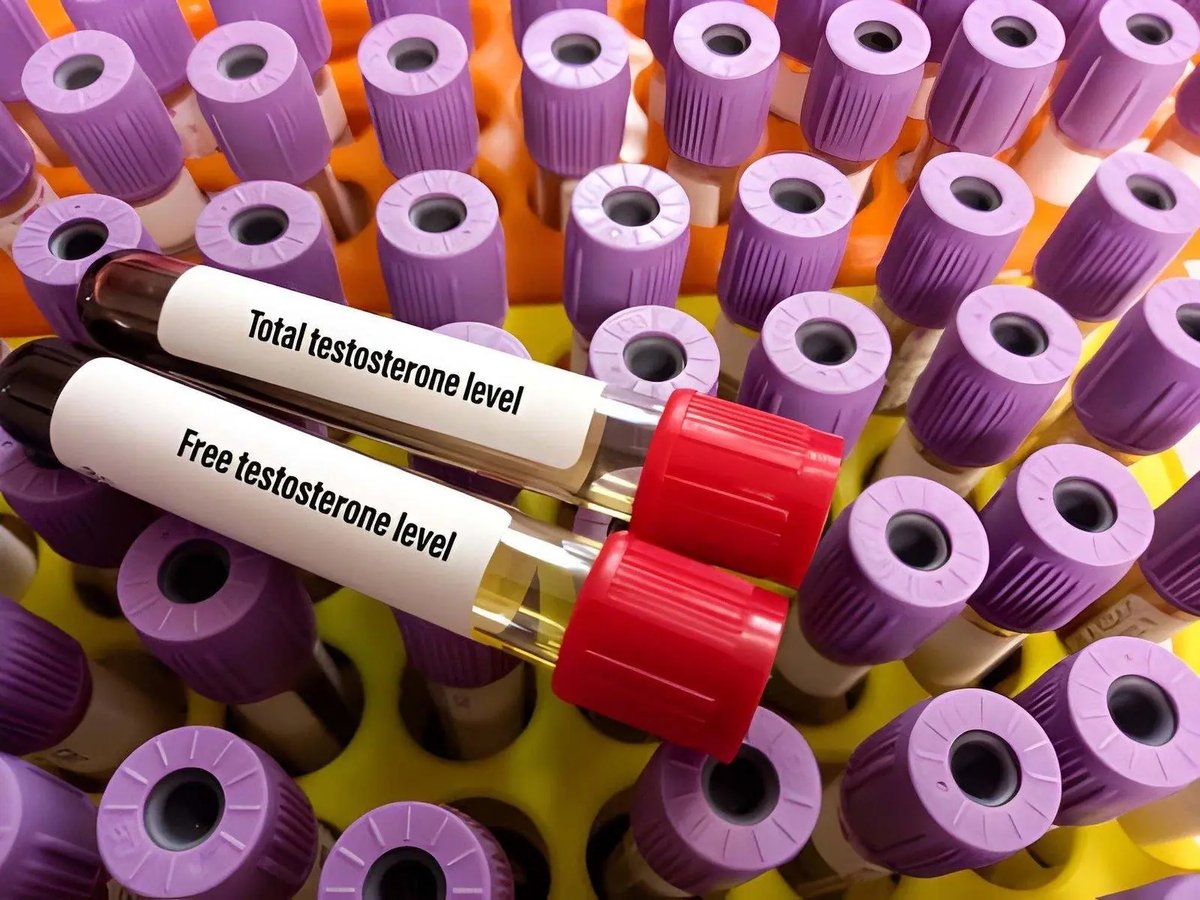
Total testosterone measures testosterone circulating in the blood, including testosterone that is bound to proteins and the smaller fraction that is unbound. It is a useful starting point, but it is not the only number that can matter.
True Test’s deep-dive lab panel includes total testosterone, free testosterone, SHBG, estradiol, thyroid, metabolic, blood-health, vitamin, and other markers that can help a provider interpret symptoms in context. This matters because two men can have similar total testosterone results while having different free testosterone levels, SHBG values, and symptoms.
A testosterone result should not be interpreted in isolation. Current endocrine guidance recommends diagnosing testosterone deficiency only when compatible symptoms are present along with consistently low, accurately measured testosterone concentrations. Repeat morning testing is often part of that process.
What SHBG Does
Sex hormone binding globulin, usually shortened to SHBG, is a protein produced mainly by the liver. It binds tightly to testosterone and other sex hormones in the bloodstream. Testosterone attached to SHBG is not considered readily available to tissues.
If SHBG is higher, a larger portion of total testosterone may be bound. That can result in a lower free testosterone value even when total testosterone appears acceptable on a standard laboratory report. This is one reason a patient can have a total testosterone number that does not seem to match how he feels.
Why SHBG Can Be High
SHBG can be influenced by several factors, so a high value is not a diagnosis by itself. Age, thyroid status, liver health, certain medications, nutritional status, and changes in body composition can affect SHBG. Some people also naturally run higher or lower than others.
The practical question is not simply, “How do we lower SHBG?” It is, “Why is SHBG elevated, what is free testosterone showing, and does the full clinical picture suggest a problem that needs treatment?” That distinction helps avoid treating a laboratory number without understanding the cause.
Why Free Testosterone Matters
Free testosterone represents the small fraction of testosterone that is not tightly bound to SHBG. It can be measured or calculated, depending on the laboratory method and the clinical situation.
When SHBG is unusually high or unusually low, free testosterone may provide additional information that total testosterone cannot. Endocrine guidance specifically recognizes free testosterone as useful when indicated, especially when binding protein abnormalities may make total testosterone harder to interpret.
Lab method matters. A provider should use reliable assays and interpret free testosterone with the laboratory method, reference range, symptoms, and other results in mind.
Symptoms Still Matter
Fatigue, reduced libido, erectile changes, lower motivation, loss of strength, changes in body composition, poor concentration, and sleep problems can occur with low testosterone, but they are not specific to testosterone deficiency. Similar symptoms may also appear with thyroid disorders, sleep apnea, depression, medication effects, anemia, nutritional deficiencies, or other medical conditions.
That is why a full evaluation is more useful than trying to diagnose yourself from one result. True Test’s Hormone Optimization for Men program is built around broader testing and licensed provider review rather than a single testosterone number. If the results and symptoms support treatment, the provider can discuss an individualized plan and how it will be monitored.
What True Test Reviews
If your total testosterone looks normal but symptoms continue, the next step is to review the complete picture rather than focus on one highlighted value. A True Test provider can review whether testing should be repeated, whether SHBG may be affecting free testosterone, and whether other hormone or health markers need attention.
The review may also include thyroid markers, blood counts, metabolic health, medications, sleep, alcohol use, recent illness, and major changes in weight or training. The purpose is to understand what may actually be contributing before deciding whether hormone optimization is appropriate.
Treatment Comes After the Full Picture
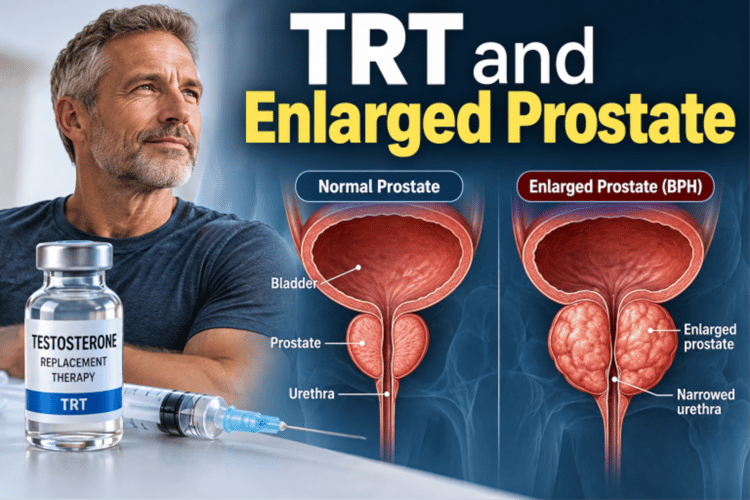
A high SHBG result by itself does not automatically mean testosterone replacement therapy is appropriate. TRT is generally considered for men with symptoms and confirmed biochemical evidence of testosterone deficiency after an appropriate evaluation.
If treatment is appropriate, follow-up matters. True Test uses provider-led care and scheduled retesting during optimization so hormone levels and safety markers can be reviewed as the plan develops. The goal is not simply to raise testosterone. It is to build a plan around symptoms, labs, response, and safety.
Frequently Asked Questions
Can high SHBG cause low free testosterone?
Yes. When SHBG is high, more testosterone can be tightly bound, which may reduce the free fraction. A provider should interpret this together with total testosterone, symptoms, and other labs.
Can total testosterone be normal while free testosterone is low?
Yes. This can occur when SHBG is elevated or when binding dynamics differ. The result should be confirmed and interpreted using a reliable method.
What causes high SHBG in men?
Possible contributors include age, thyroid changes, liver conditions, certain medications, nutritional factors, and individual variation. The cause should be evaluated rather than assumed.
Should I start TRT because my free testosterone is low?
Not from one result alone. Treatment decisions should be based on symptoms, repeat or confirmatory testing when appropriate, medical history, and clinician evaluation.
What labs are useful with SHBG?
Common companion tests may include total testosterone, free testosterone, albumin, estradiol, thyroid markers, LH, FSH, prolactin, and other tests selected for your history.
Does True Test check SHBG?
Yes. True Test’s deep-dive lab panel includes SHBG, total testosterone, free testosterone, and other hormone and health markers. A licensed provider reviews the results with you so the numbers can be interpreted in context.
Next step: If your testosterone number looks normal but you still have symptoms, stop guessing from one result. Start with True Test’s $49 Full Story for 50+ biomarker labs, an InBody 380 scan, and a 45-minute provider review. Learn more about Hormone Optimization for Men, find the True Test clinic nearest you, and book your first visit when you are ready to review the full hormone picture.